Sudan's Civil War: A Growing U.S. National Security Concern
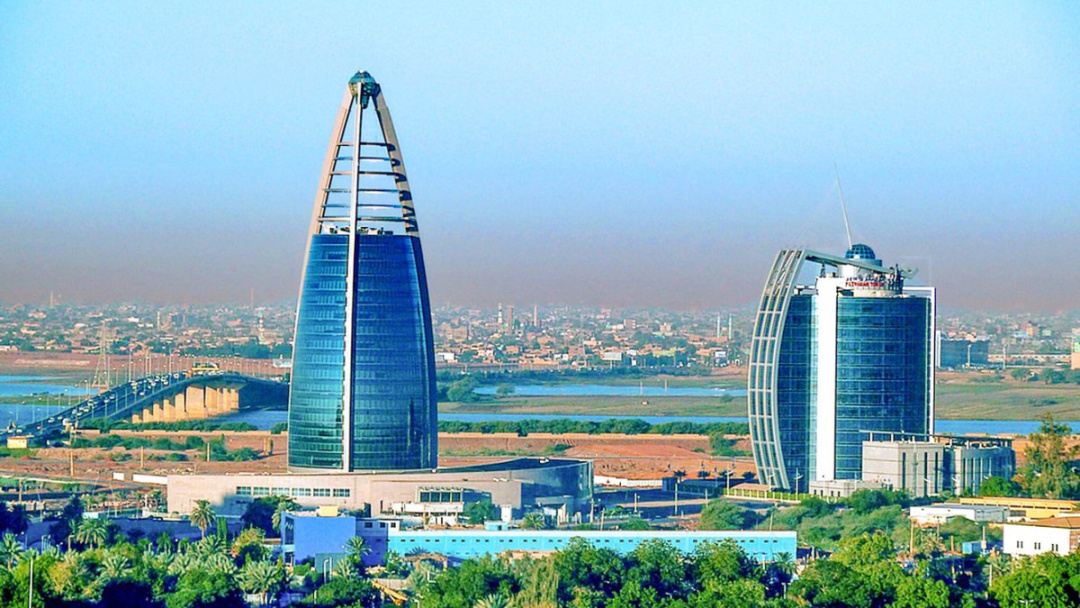
Sudan's civil war is increasingly recognized as a pressing national security concern for the United States, extending beyond its humanitarian implications. The conflict poses strategic challenges related to Red Sea security, Iran's influence, counterterrorism efforts, and the stability of international trade routes. The U.S. must not view Sudan as a distant issue but rather as a critical factor affecting a region vital to global commerce and security.
The Red Sea, where Sudan is located, is a crucial maritime corridor, facilitating 12-15% of international trade and nearly 30% of global container traffic. Instability in Sudan threatens not only its own borders but also the security of neighboring countries and critical shipping routes, including those surrounding the Suez Canal. The U.S. has a vested interest in preventing Sudan from becoming a haven for extremist groups or foreign powers that could destabilize the region further.
The evolving relationship between Iran and Sudan highlights the geopolitical stakes involved. Although Sudan initially joined the Abraham Accords in 2021, the ongoing civil war has stalled normalization with Israel. In 2024, Iran and Sudan restored diplomatic ties, indicating a shift in Sudan's political alliances. This relationship includes military cooperation, which could enable Iran to expand its influence in a fragmented Sudan, complicating U.S. interests in the region.
Counterterrorism remains a critical aspect of U.S. security policy regarding Sudan. The collapse of state authority and the rise of ungoverned territories create fertile ground for extremist networks to thrive. The future of Sudan will significantly impact the ability of neighboring nations and international partners to combat these threats. Thus, preventing a prolonged conflict is essential for U.S. national security, transcending mere humanitarian concerns.
The conflict's complexity is exacerbated by the proliferation of advanced weaponry and foreign military support, which sustain the combatants' resolve. The U.S. must prioritize diplomatic efforts to restrict the flow of arms and military assistance to combatants, coordinating with international allies to raise the costs of continued conflict.
Humanitarian Crisis and Regional Stability
The humanitarian crisis in Sudan also has direct security ramifications. Issues such as famine, mass displacement, and the destruction of infrastructure threaten to destabilize neighboring countries and prolong the conflict. While the U.S. has called for increased humanitarian access, this must be coupled with a political strategy that encourages a ceasefire and the restoration of legitimate governance.
Sudan's wealth in natural resources, including gold and uranium, presents both opportunities and challenges. Responsible resource management could aid in economic recovery and diversification of supply chains for critical materials. However, this potential hinges on transparent governance and a legitimate authority that can ensure the benefits of these resources are not monopolized by armed factions.
The ongoing struggle between the Sudanese Armed Forces and the Rapid Support Forces underscores the limitations of a purely military resolution. A political settlement that merely divides power between these factions risks entrenching fragmentation rather than fostering unity. An inclusive, civilian-led transition is essential for restoring national institutions and establishing accountable governance.
Cleared to File
The U.S. has articulated its support for a civilian-led political process, emphasizing the importance of Sudanese sovereignty. Congress and the administration must translate these principles into sustained diplomatic engagement, advocating for a humanitarian truce and meaningful civilian participation in negotiations. The recent international efforts to revive ceasefire talks provide a framework for renewed engagement, but the focus must remain on tangible results rather than mere diplomatic gestures.
In conclusion, the U.S. Congress plays a vital role in overseeing and legislating support for Sudan's recovery. Initiatives like the Sudan IMPACT Act aim to link development assistance to improvements in civilian protection and political stability. This approach could foster a stable Sudan that contributes to regional security while advancing U.S. interests. The future of Sudan should not be reduced to a choice between military factions but should focus on establishing a unified country with legitimate institutions capable of engaging responsibly with the international community. For the U.S., achieving this outcome is crucial for both humanitarian and strategic reasons.