China Denies Espionage Allegations Against Nvidia CEO Jensen Huang
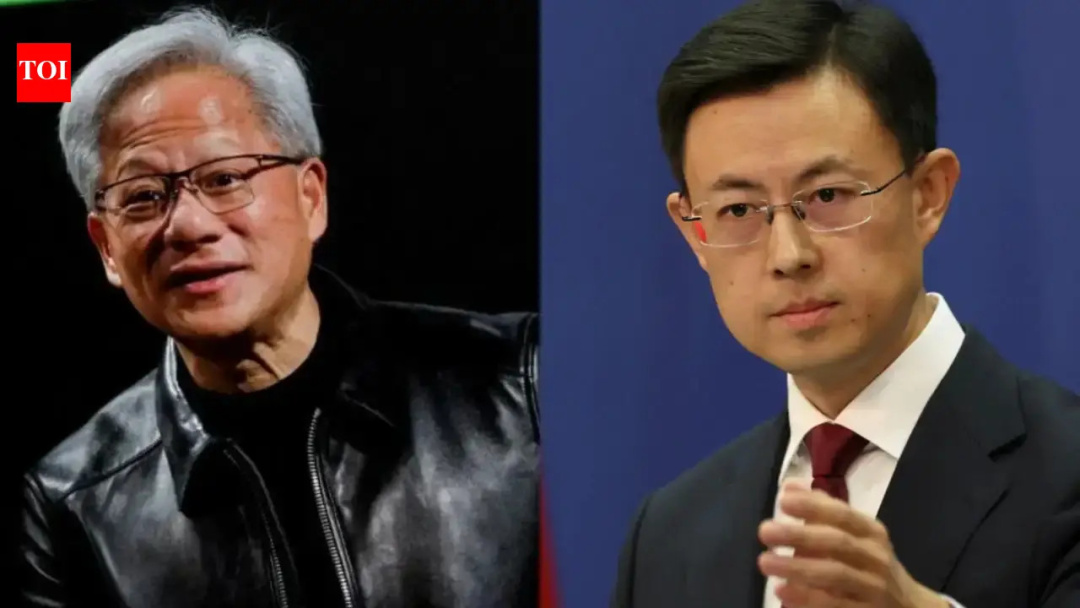
China has categorically denied allegations of espionage against Nvidia CEO Jensen Huang, describing the claims as unfounded and a smear campaign. During a media briefing, foreign ministry spokesperson Guo Jiakun stated that the narrative of a so-called Chinese spy is entirely baseless vilification. This response comes in light of Nvidia's board launching an independent investigation into reports that Huang was allegedly targeted by a foreign intelligence operation involving Alice Huang, a former executive at Megaspeed, a data center company based in Singapore.
U.S. authorities reportedly suspect that Alice Huang was recruited by China's Ministry of State Security to gather sensitive information about Jensen Huang and Nvidia. The allegations have raised concerns regarding Megaspeed, which purchases Nvidia's AI chips and has faced scrutiny over suspicions that it assisted Beijing in accessing advanced processors that are restricted from export to China.
In a recent message to Nvidia employees, Jensen Huang admitted to being unfaithful to his wife and expressed remorse to his family and colleagues, although he did not disclose the identity of the individual involved. Nvidia's board has stated that they have no reason to believe that U.S. national security or the company's proprietary information has been compromised, but they will thoroughly examine all available information related to the allegations. Huang has expressed his willingness to cooperate with the investigation.
Navigating Corporate and National Security Challenges
The situation highlights the complexities surrounding international relations and corporate governance, particularly in the technology sector, where national security concerns are increasingly intertwined with business operations. As the investigation unfolds, it remains to be seen how these allegations will impact Huang's leadership at Nvidia and the company's future.
Final Assessment
The unfolding investigation and the allegations against Jensen Huang have sparked discussions about the broader implications for Nvidia and national security. As a key player in the AI and semiconductor industries, Nvidia's operations are closely monitored by both U.S. and Chinese authorities. The outcome of this investigation could influence not only Huang's position within the company but also the strategic direction of Nvidia in a competitive global market.
As the situation develops, Nvidia's board and Huang's commitment to transparency will be crucial in addressing the concerns raised by these allegations. The company's response will likely shape investor confidence and public perception, especially in an era where technology firms are under increasing scrutiny for their ties to foreign entities. The resolution of this matter will be pivotal for Nvidia's reputation and operational integrity moving forward.