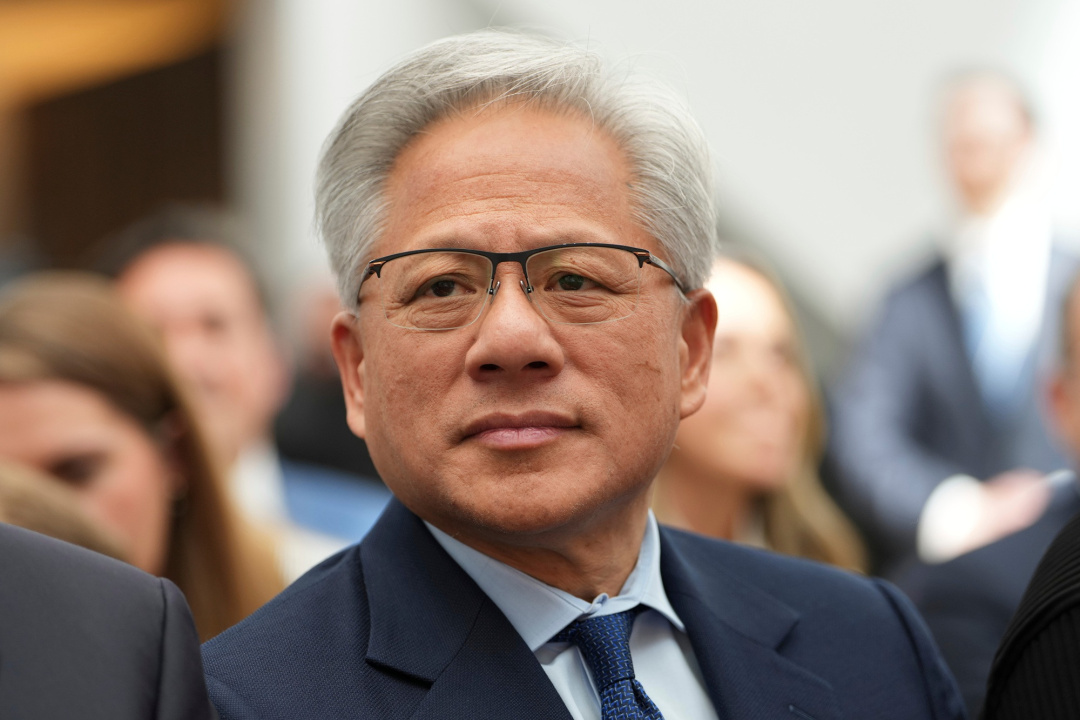
Nvidia CEO Jensen Huang Admits Infidelity Amid Security Investigation

Jensen Huang, the CEO of Nvidia, has made a personal admission to his employees regarding infidelity, stating his intention to work on rebuilding trust. This revelation was shared in a memo dated November 8, 2026, and it has raised questions about potential national security issues. On the same day, Nvidia's board announced an independent investigation to explore whether Huang was a target of foreign intelligence operations.
In his memo, Huang openly acknowledged his misconduct without framing it as a private matter. He has been married to Lori Huang for 41 years, and the timing of his admission coincides with reports from major news outlets suggesting that Huang may have had a romantic involvement with an executive from a Singapore-based company named Megaspeed. This executive is reportedly believed to be a Chinese agent, which adds a layer of complexity to the situation, as it raises concerns about espionage.
The investigation is particularly focused on whether Huang was targeted by foreign intelligence rather than solely on his personal conduct. Reports indicate that U.S. intelligence had flagged potential foreign targeting of Huang as early as late October 2026, prior to his admission. These assessments included details of documented meetings between Huang and the executive in question during 2024 and 2025.
Huang's Commitment Amid Ongoing Inquiry
Huang has expressed his willingness to fully cooperate with the investigation while reaffirming his commitment to both his family and Nvidia. He remains in his position as CEO as the inquiry unfolds. Nvidia is a key player in the AI sector, with its technology being integral to many advancements in the industry, which has made it a focal point in discussions about technology exports and national security.
Approved for Dissemination
The media coverage surrounding Huang's admission has sparked interest from Congress regarding his connections with foreign executives in the tech industry. The board's decision to conduct an investigation rather than make immediate changes in leadership suggests a desire to gather all relevant facts before determining the future of Huang's role.
As the investigation progresses, several factors will be crucial to monitor. These include whether the board will establish a public timeline for the inquiry and if it will disclose findings beyond a brief summary. Additionally, Congress may pursue follow-up actions, such as letters, briefings, or hearings, related to the targeting of U.S. tech leaders by foreign entities.