Italy's Foreign Minister Targeted in Cyberattack by Pro-Russian Hackers
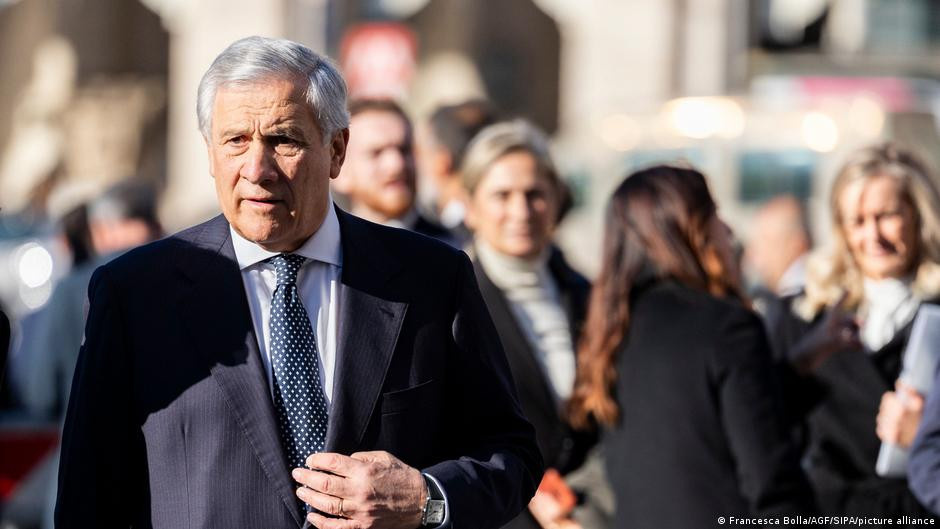
Italy's Foreign Minister Antonio Tajani announced on Saturday that his personal data had been stolen and published on the Darknet. In a statement shared on the social media platform X, Tajani indicated that he was targeted due to the Italian government's stance on Ukraine. He expressed concern that cybercriminals were actively seeking additional information about him and his family, stating, "For days, cybercriminals have been spreading my personal data on the dark web and seeking other information, in fact exposing me and my family to new threats and intimidation."
Italy, alongside other EU and NATO member states, has been providing humanitarian and military support to Ukraine as it defends itself against ongoing Russian aggression. While Tajani did not disclose the specific details of the information that had been compromised, he suggested that the criminal activity directed at him was still ongoing. He affirmed his resolve, stating, "I will not allow myself to be intimidated in any way," and emphasized his commitment to defending his ministry and Italy.
Prime Minister Giorgia Meloni was clear in her assertion that pro-Russian hackers were responsible for the cyber breach, labeling it a serious issue that requires urgent attention. The allegations of Russian involvement in the hacking incident come amid a series of suspected hybrid attacks across Europe, believed to be orchestrated by the Kremlin. These attacks have included drone incursions, sabotage in NATO territories, and threats against media outlets, as well as bomb threats that have disrupted airline operations within the European Union.
Cleared to File
The recent cyberattack on Tajani is part of a broader pattern of escalating cybersecurity threats facing European officials and institutions. As tensions rise due to the ongoing conflict in Ukraine, the frequency and intensity of these attacks have increased, raising alarms about the security of sensitive information and the safety of public figures. The Italian government is now faced with the challenge of enhancing its cybersecurity measures to protect against such breaches and ensure the safety of its officials.
The implications of this incident extend beyond Tajani himself, highlighting the vulnerabilities that exist within governmental structures in the face of sophisticated cyber threats. As European nations continue to navigate the complexities of geopolitical tensions, the need for robust cybersecurity strategies becomes increasingly critical. The Italian government is expected to take further steps to bolster its defenses against potential future attacks, ensuring that officials can operate without fear of intimidation or exposure to harm.