CAIR Suspends Florida Operations After Domestic Terrorist Designation

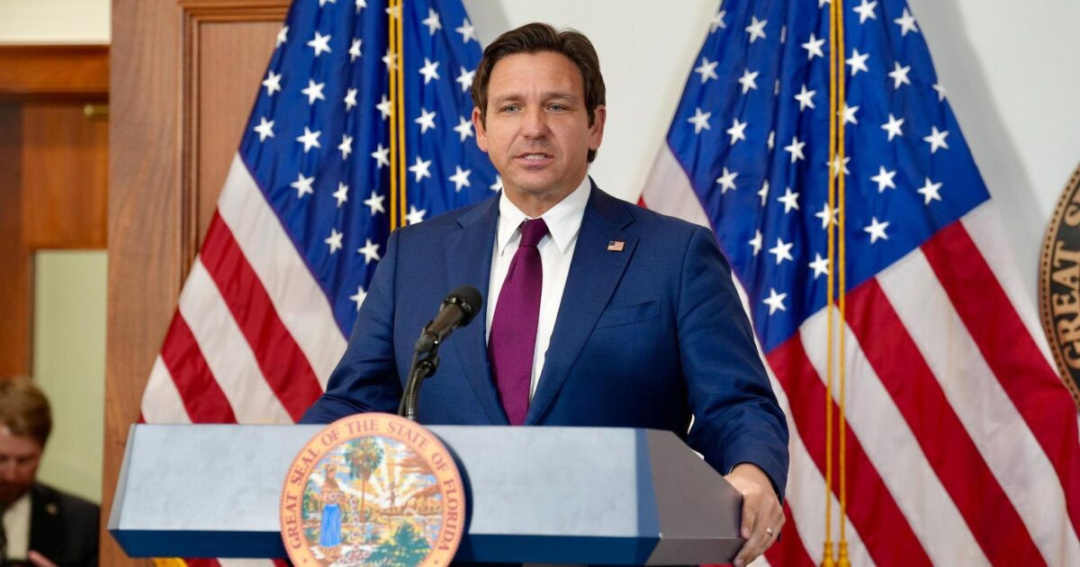
The Council on American-Islamic Relations (CAIR) has announced the suspension of its operations in Florida after the state officially designated it as a domestic terrorist organization. This decision follows a ruling by Chief U.S. District Judge Allen Winsor, who declined to block the designation while CAIR pursues legal challenges in federal court.
CAIR-Florida expressed its concerns on its website, stating that the actions taken by Governor Ron DeSantis and other state officials are baseless and unconstitutional. The organization emphasized that this unprecedented designation has serious implications for their civil rights work and advocacy efforts within the community.
The designation, which took effect on November 6, 2026, was part of a broader initiative by the DeSantis administration, which has labeled CAIR along with 90 other groups as domestic or international terrorist organizations. Attorney General James Uthmeier hailed the ruling as a significant victory for the state, reinforcing the administration's stance on national security.
CAIR argues that the label violates their First Amendment rights and the due process protections guaranteed by the Fourteenth Amendment. Ashley Gorski, a senior counsel for the ACLU National Security Project, who represents CAIR, stated that Florida officials are attempting to silence the organization’s advocacy efforts, which ultimately harms the community they serve.
Broader Implications of Terrorist Designations
The designation of CAIR is part of a larger trend, as the DeSantis-led Cabinet has also identified other groups, including the Muslim Brotherhood and the Islamic Revolutionary Guard Corps of Iran, as terrorist organizations. This move has sparked significant debate regarding civil liberties and the implications of such designations on community organizations.
Final Brief
The legal challenges posed by CAIR are expected to unfold in the coming months, as the organization seeks to contest the designation in court. The outcome of these proceedings could have far-reaching implications for similar organizations and their ability to operate without fear of governmental designation as terrorist entities.
As the situation develops, the community is left to grapple with the ramifications of this designation, which many view as a direct attack on civil rights and freedoms. The ongoing legal battles will likely draw attention to the balance between national security measures and the protection of civil liberties in the United States.