Macao Court Sentences Ex-Politician Au Kam-san to 12.5 Years in Prison
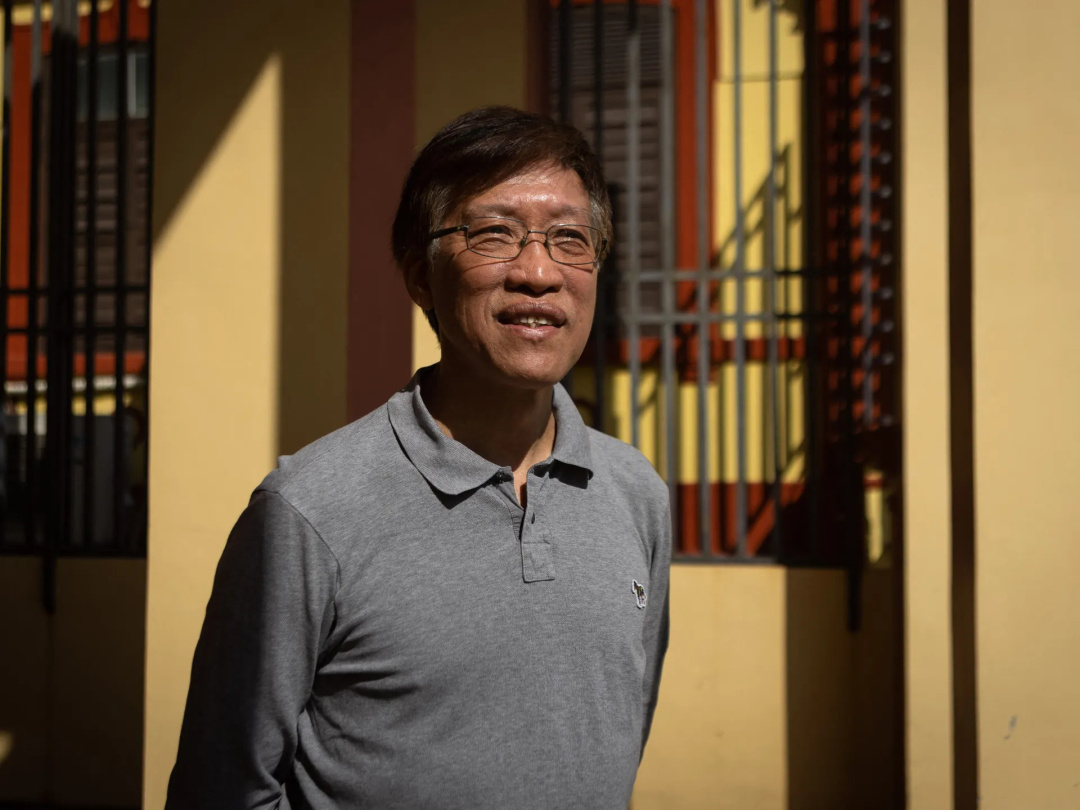
A Macao court has sentenced former pro-democracy politician Au Kam-san to 12 years and six months in prison following a closed-door national security trial. The ruling, issued on Friday, found the 69-year-old Au guilty of subverting state power by disseminating false information in an effort to disrupt Macao's 2024 leadership election.
The court's statement indicated that Au had collaborated with "hostile organizations" abroad to promote a political agenda and had leaked confidential information to overseas groups. Despite being a first-time offender who admitted to many of the charges, the court emphasized the seriousness of his actions, noting the high degree of intent and the potential consequences of his crimes.
Au's wife, Virginia Cheang, publicly criticized the trial, describing it as a political maneuver and a "groundless" persecution aimed at tarnishing his character. She questioned the fairness of a trial conducted behind closed doors, expressing concerns about the transparency of the judicial process.
This case marks the first public prosecution under Macao's national security law, which was enacted in 2009. Au, a former teacher, served in the Beijing-controlled legislature for two decades before resigning in 2021. He was also involved in organizing commemorations for the 1989 Tiananmen Square protests.
Reactions to Au's Sentencing and Its Impact
Human Rights Watch's deputy Asia director, Maya Wang, stated that the sentence sends a chilling message to peaceful critics of the government. She urged the European Union and Portugal to advocate for Au's release, highlighting the broader implications for civil liberties in the region.
Cleared to File
The Macao government, along with China's Hong Kong and Macao Affairs office, has expressed support for the sentence. This ruling follows the recent sentencing of Hong Kong pro-democracy activist Joshua Wong, who received an additional ten years in prison under the city's national security law.
Macao, a former Portuguese colony, became a special administrative region of China in 1999, and the recent legal actions reflect ongoing tensions regarding political freedoms in the region.