Macao's First National Security Case Results in 12 1/2 Year Sentence
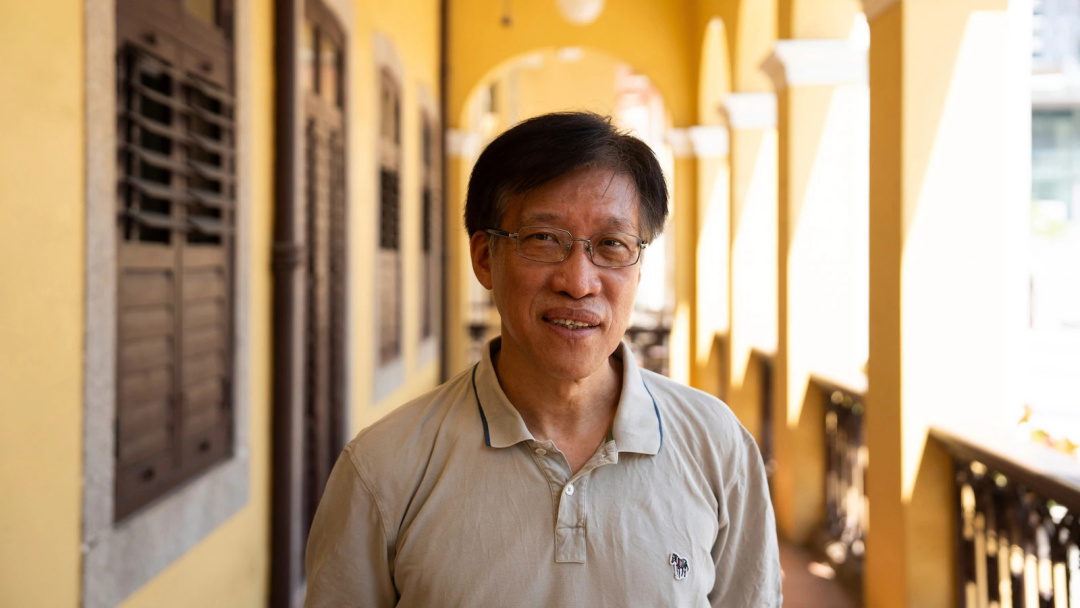
Macao pro-democracy former lawmaker Au Kam San has been sentenced to 12 1/2 years in prison, marking a significant moment in the Chinese territory's legal landscape as it represents the first national security case since the law was enacted in 2009. The sentencing occurred after a closed-door trial that has drawn criticism regarding its fairness and transparency.
Au was arrested last year, and the court found him guilty of subverting state power, breaching confidentiality, and establishing connections with foreign organizations to commit acts that endangered national security. The prosecution's case highlighted that Au had been involved in disseminating political views that were deemed subversive and had conspired to incite hatred against the central government.
The court's statement emphasized the seriousness of Au's actions, noting that despite being a first-time offender, he exhibited a high degree of intent in his crimes. The ruling has been interpreted by many as a reflection of Beijing's tightening grip on dissent, particularly in regions like Macao, where the pro-democracy movement has historically been less influential than in Hong Kong.
Au's family has expressed deep concern over the trial's proceedings. His wife, Virginia Cheang, criticized the trial as politically motivated and called for the authorities to allow family visits and correspondence without restrictions. Au's daughter, who resides in London, reported difficulties in communicating with her father, including the denial of access to a lawyer of their choosing.
Internationally, Au's case has drawn attention from human rights advocates. Michael Polak, Au's international counsel, condemned the trial as a farce and urged the Portuguese government and the European Union to intervene on his behalf. He described the allegations against Au as manufactured and indicative of a broader trend towards repression in Macao.
Macao's Legal System Under Scrutiny
Macao, a former Portuguese colony, has its own legal and political systems, but it has increasingly aligned with Beijing's policies since its return to Chinese sovereignty in 1999. The government has defended the ruling, asserting that it is essential for maintaining national security and stability in the region.
The implications of Au's sentencing extend beyond his individual case, as it sends a chilling message to other critics of the government. Human Rights Watch has called for international pressure to secure Au's release, highlighting the potential impact on civic engagement and freedom of expression in Macao.
Final Assessment
The international community has reacted with concern to the verdict, viewing it as part of a broader pattern of diminishing freedoms in regions under Chinese governance. Observers note that the case could deter other activists and lawmakers from voicing dissent or engaging in political discourse. As Macao continues to navigate its unique position within China, the balance between national security and individual rights remains a contentious issue.
As the situation develops, the focus will likely remain on the implications of this ruling for Macao's political landscape and its relationship with both Beijing and the international community. The case of Au Kam San serves as a critical indicator of the evolving dynamics of governance and civil liberties in the region, raising questions about the future of pro-democracy movements in Macao and beyond.