Critique of Media Coverage on Chicago's Smart Streets Camera Program
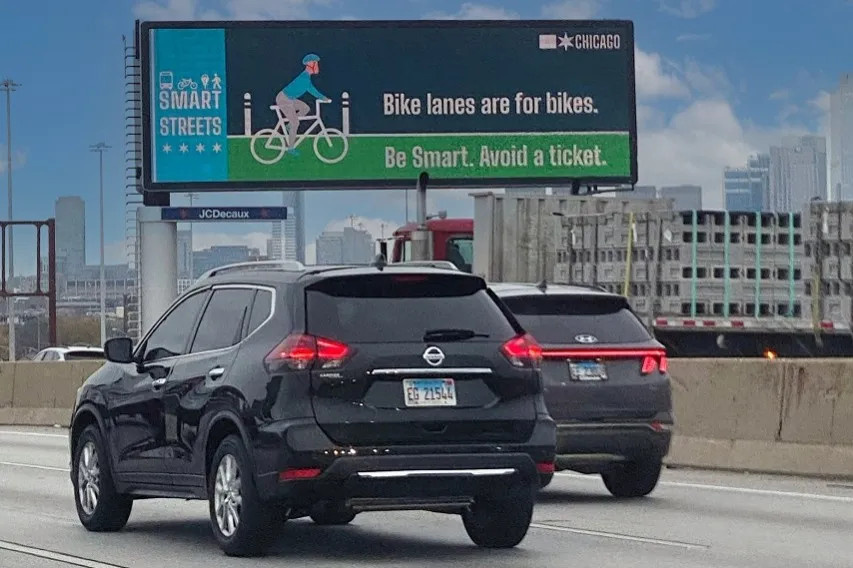
On October 14, Chicago's City Council voted unanimously to expand the Smart Streets camera pilot program citywide, a decision welcomed by sustainable transportation and traffic safety advocates. This initiative employs cameras mounted on CTA buses and city vehicles to monitor and ticket vehicles obstructing bus and bike lanes, a move aimed at improving safety and efficiency for public transit and cyclists.
The importance of keeping busways and bikeways clear was tragically highlighted on June 9, 2022, when a three-year-old girl, Elizabeth "Lily" Grace Shambrook, lost her life due to a collision caused by a truck parked illegally in a bike lane. This incident underscores the necessity of the Smart Streets program, which aims to prevent similar tragedies by ensuring that bike lanes remain unobstructed.
Despite the program's intentions, a recent article published by Inside Publications in the News-Star has drawn criticism for its portrayal of the Smart Streets initiative. The article suggested that the expansion of the camera program represents an injustice to motorists, using terms like "spy cameras" and "privileged bike lanes" to frame the discussion negatively. Such language has been met with backlash from city officials and advocates who argue that bike lanes are essential for safety and should not be viewed as a privilege.
The article also contained misleading claims regarding the enforcement policies of the Smart Streets cameras. It inaccurately stated that a minimum one-minute grace period exists before tickets are issued for parking violations in bike or bus lanes. City officials clarified that there is no grace period, and tickets can be issued immediately for violations in these areas. This misrepresentation has prompted calls for a correction from the News-Star, emphasizing the need for accurate reporting on public safety issues.
Effectiveness of Smart Streets Program Highlighted
In response to the article, Alderman Andre Vasquez's Chief of Staff highlighted the program's success in changing driver behavior, noting that 84 percent of those ticketed for illegal parking did not repeat the offense. This statistic supports the argument that the Smart Streets program is effective in promoting safer driving practices.
As the debate continues, it is clear that accurate reporting is crucial in discussions surrounding public safety and transportation policy. The Smart Streets program aims to protect vulnerable road users, and mischaracterizations in the media can undermine these efforts. Advocates stress that the focus should remain on the safety of residents and the importance of maintaining clear pathways for cyclists and transit users, rather than framing the initiative as an attack on motorists.
Final Assessment
The ongoing dialogue about the Smart Streets program highlights the need for responsible journalism that accurately reflects the realities of urban transportation policies. As the city moves forward with this initiative, it is essential for media outlets to provide clear and factual coverage that supports public understanding and safety. Misleading narratives can hinder progress and contribute to confusion among the public regarding the goals of such programs.
In conclusion, the expansion of the Smart Streets camera program is a significant step towards enhancing safety for cyclists and public transit users in Chicago. However, the misrepresentation of this initiative in local media underscores the importance of accurate reporting. As the city continues to implement these safety measures, it is vital for all stakeholders to engage in constructive dialogue that prioritizes the well-being of all road users.