Justice Department Subpoenas New York Times Journalists Over Trump Plane Report
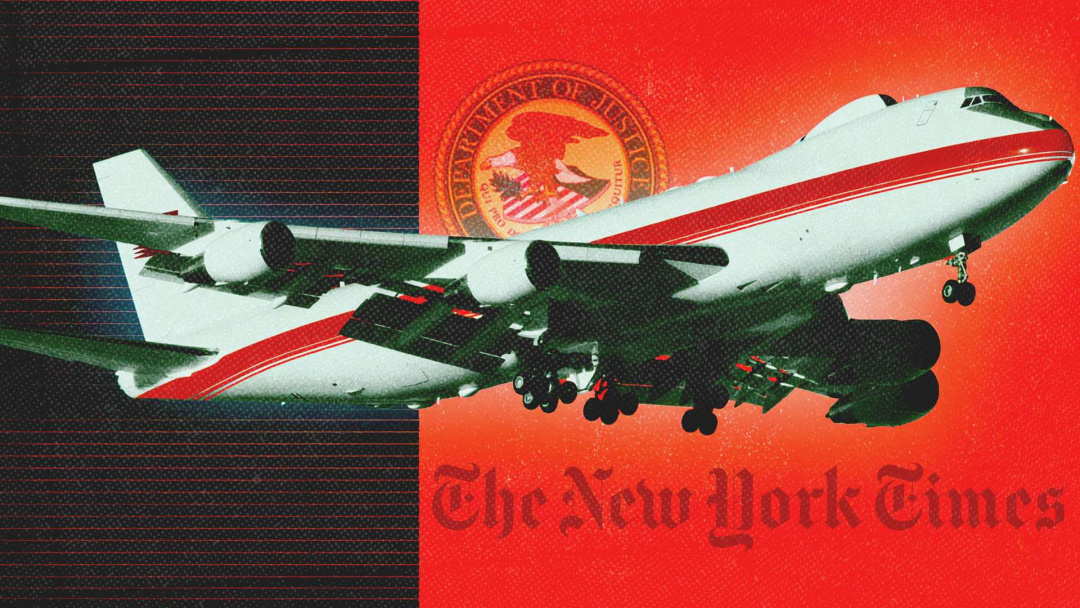
The Justice Department has taken the unusual step of issuing subpoenas to several journalists from The New York Times after they reported on security issues related to President Trump's new aircraft, a Boeing 747-8 donated by Qatar. The subpoenas were reportedly delivered by federal agents at the journalists' homes and require them to testify before a federal grand jury in Manhattan. Jay Clayton, the U.S. attorney for the Southern District of New York, is overseeing the case and has been nominated to become the next director of national intelligence.
David McCraw, deputy general counsel for The New York Times, expressed strong concerns about the implications of these subpoenas, stating that the presence of federal law enforcement at journalists' homes should alarm anyone who values constitutional rights and press freedom. He characterized the subpoenas as an attempt to suppress public knowledge about government actions by intimidating journalists.
The controversy stems from a report detailing security risks associated with Trump's new plane, which he retained after leaving office. Experts had previously warned that the aircraft would require extensive retrofitting to meet security standards, a process that could take up to two years. Despite these concerns, Trump insisted on a quicker timeline for the plane's readiness. The Times noted that Trump opted to use the original Air Force One for a NATO summit in Turkey due to security advice from the Secret Service, rather than a specific threat.
The new plane reportedly lacks advanced defensive countermeasures that were present in the older model, raising alarms about its vulnerability. The Times' articles cited confidential sources, prompting an FBI request to delay publication due to national security concerns, which the newspaper declined. The DOJ has stated that the journalists are not the targets of the investigation, but rather those who leaked classified information.
The subpoenas have drawn attention to the DOJ's evolving stance on press freedom, particularly under the Trump administration, which has been criticized for its aggressive tactics against journalists. In a related incident, the FBI raided the home of a Washington Post reporter in January, seizing her computers and potentially compromising her ability to communicate with sources. The DOJ's recent actions, including subpoenas to other news organizations, have raised significant First Amendment issues, as they compel journalists to disclose information about their sources.
The subpoenas issued to The New York Times journalists are particularly concerning due to their vague nature, demanding testimony regarding an alleged violation of federal criminal law without specifying the details. This lack of clarity raises fears about the potential chilling effect on journalistic practices and the public's right to know. Critics argue that such actions undermine the essential role of a free press in a democratic society, with statements from press freedom advocates emphasizing the dangers posed by these government measures.