Joshua Wong Sentenced to Additional 10 Years Under National Security Laws
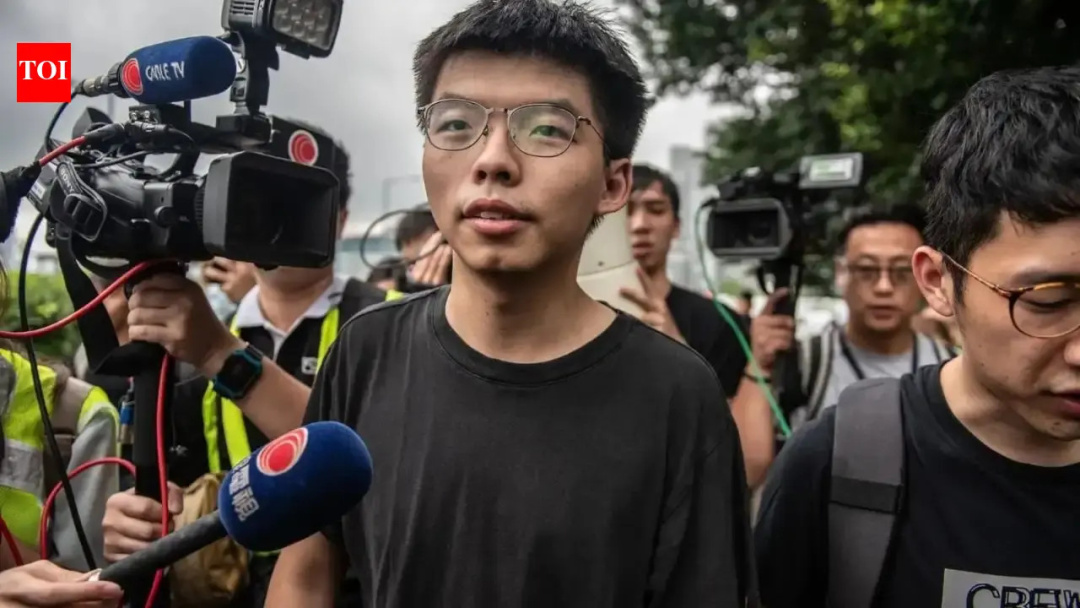
Joshua Wong, a well-known pro-democracy activist from Hong Kong, has been sentenced to 10 years in prison after being convicted under national security legislation imposed by Beijing. This latest sentence adds to his existing prison term from a previous political case, underscoring the government's ongoing efforts to stifle dissent in the city. Wong was charged in 2025 with conspiring to collude with foreign forces to endanger national security, a charge he pleaded guilty to in September, which typically leads to a lighter sentence.
At 30 years old, Wong is already serving a four-year-and-eight-month sentence related to Hong Kong's largest national security case, which arose from an unofficial primary election. He was expected to be released in January 2027 before facing this new prosecution. During the sentencing hearing, Judge William Tam characterized Wong's offense as particularly serious, initially considering a 13-year sentence but ultimately reducing it due to Wong's guilty plea.
Wong expressed gratitude to his supporters as he left the courtroom, where many had gathered to show their solidarity. The judge ruled that Wong's sentences could run concurrently, meaning he has approximately two months left on his previous sentence before this new term begins.
Observers have noted that Wong's convictions serve as a warning against dissent in Hong Kong, a city once celebrated for its vibrant civil society and protest movements. Following the anti-government protests in 2019, authorities have implemented measures that restrict electoral choices and have arrested numerous prominent activists. Many media outlets known for their critical stance against the government have shut down, and numerous civil society organizations have disbanded.
Impact of Sentencing on Civic Engagement
Experts believe that Wong's latest sentence reflects the authorities' determination to keep high-profile activists incarcerated for extended periods, potentially deterring further civic engagement. Eric Lai, a research fellow at Georgetown University's Center for Asian Law, remarked that national security law charges can be used repeatedly to keep political prisoners in jail as deemed necessary by the government.
Case Closed
The Hong Kong government defends the national security legislation as crucial for maintaining stability following the unrest in 2019, asserting that law enforcement actions are based on solid evidence. During the trial, prosecutors claimed that Wong and fellow activist Nathan Law had conspired to lobby international entities for sanctions against Hong Kong and mainland China, even before the national security law was enacted.
Despite his imprisonment, Wong remains a significant figure for many young Hong Kong residents who view him as a symbol of the struggle for democracy. His influence continues to be a concern for pro-Beijing supporters, as evidenced by recent criticisms of a documentary about him that gained popularity on Netflix, which they claim portrays his actions in a favorable light. The Hong Kong security bureau has indicated that it will take further action regarding the documentary's content.