Cyberattack Disrupts Blood Storage Systems in France
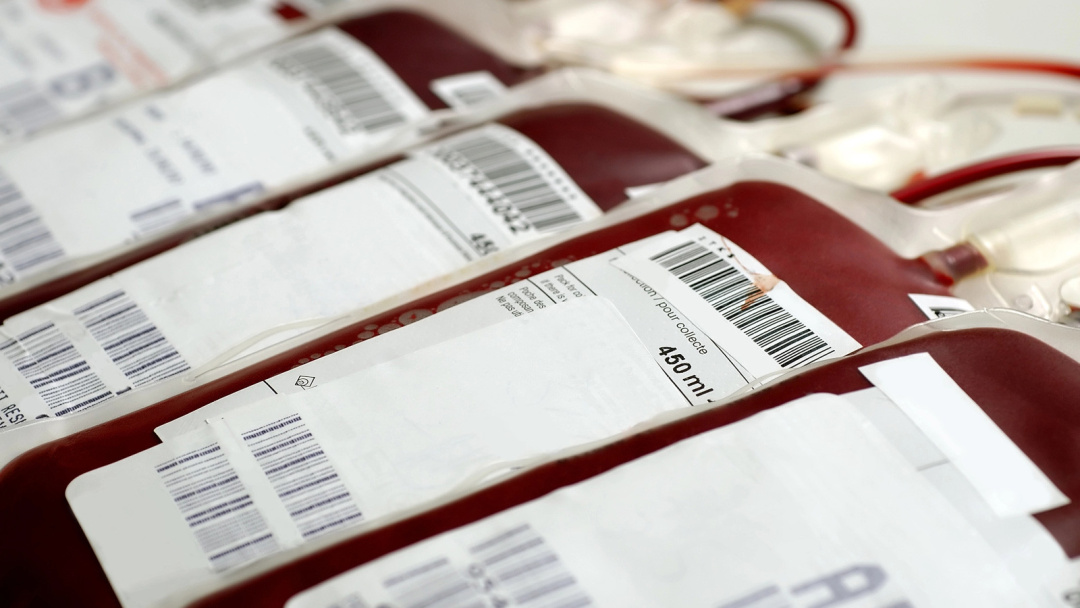
France's national blood service has confirmed that a cyberattack aimed at a refrigeration equipment provider has raised temperature and defrost settings at three of its facilities, jeopardizing stored blood products. The French Blood Establishment (Établissement français du sang or EFS), responsible for blood collection, processing, and distribution across the country, reported that the incident occurred on November 2 and affected systems used to monitor and control cold-storage chambers.
EFS clarified that it was not the direct target of the cyberattack; rather, the attack was directed at its refrigeration supplier. Although EFS has not disclosed the name of the affected supplier, Coolworld Rentals, a European refrigeration equipment provider, confirmed that a cybersecurity incident involving remote monitoring software had impacted a limited number of its refrigeration units. The company stated that attackers exploited a vulnerability in a third-party component that was beyond its direct control.
Coolworld emphasized that only a small number of its units were affected and that it responded swiftly to the incident, taking appropriate measures. The attack resulted in elevated temperature and defrost thresholds in the affected cold-storage chambers, which are crucial for storing blood products and biological samples managed by EFS.
Fortunately, EFS's monitoring and alarm systems quickly detected the temperature changes, enabling staff to either repair the impacted equipment or transfer products to other refrigeration facilities. EFS reported that no health impacts have been identified, and no loss of blood products has occurred. Plasma bags intended for transfusions and plasma used in medicine manufacturing were either secured or transferred, ensuring their integrity.
Ongoing Operations Amid Cybersecurity Challenges
Blood collection and distribution operations have continued without interruption. EFS's technical teams are collaborating with France's national cybersecurity agency (ANSSI) and the Ministry of Health to enhance monitoring of refrigeration equipment and temperature settings.
This incident is part of a broader trend of cyberattacks targeting refrigeration systems across Europe, where attackers have been manipulating temperature settings or activating defrost functions remotely. In October, similar cyberattacks disrupted refrigeration systems at approximately 250 to 350 French supermarkets, including major chains like Intermarché and Carrefour Market. Those attacks involved hackers compromising refrigeration controllers running outdated Danfoss software, which allowed them to remotely activate automatic defrosting functions, leading to discarded fresh and frozen products.
Clearance Granted
A second wave of attacks occurred this month, affecting over 115 stores in Belgium, the Netherlands, Sweden, Luxembourg, Ireland, and Estonia. Some systems were entirely shut down, while others had their temperature settings altered remotely. Reports indicated that in one Swedish supermarket, the system began generating heat, while another store experienced temperatures rising to 50°C (122°F).
Belgian refrigeration company Sabcobel noted that the attackers exploited the same vulnerability used in the previous month's attacks against French supermarkets. In 2025, the U.S. Cybersecurity and Infrastructure Security Agency (CISA) disclosed vulnerabilities affecting Danfoss AK-SM 8xxA controllers, which could allow attackers to bypass authentication and execute commands remotely on vulnerable systems, potentially gaining control over refrigeration equipment. However, it remains unconfirmed whether these vulnerabilities were exploited in the recent attacks.