EU Imposes Sanctions on Nine Individuals Over Russian Cyber Espionage
The European Union has taken decisive action by imposing sanctions on nine individuals, including Russian military officers and hackers, as well as private companies, in response to a long-standing cyber-espionage campaign aimed at destabilizing the bloc. The European Council announced on Monday that these sanctions are a direct response to the threats posed to EU member states and their international partners. The specific names of those sanctioned were not disclosed in the statement, but the campaign has reportedly targeted at least nine countries, including France, Germany, Poland, and Finland.
In light of these developments, Germany's Federal Foreign Office summoned the Russian ambassador, labeling the cyber attacks as "unacceptable" and indicating that they would respond firmly. This diplomatic action underscores the seriousness with which the EU is treating the ongoing cyber threats. The summons coincides with a critical moment for Ukraine, as its Western allies convene in Paris to discuss further military support, particularly in the realm of air defense.
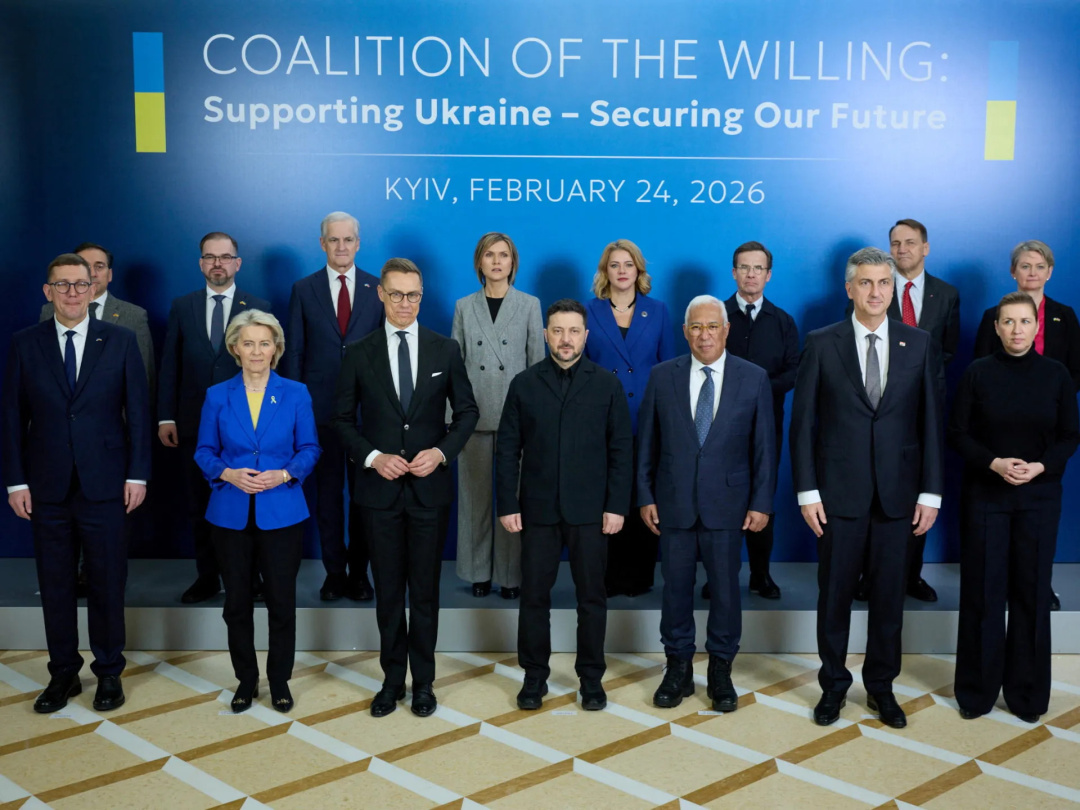
Ukraine has faced intensified drone and missile strikes from Russia in recent weeks, resulting in significant casualties. The country is experiencing a shortage of munitions and has struggled to intercept ballistic missiles, which pose a considerable threat due to their high speed. In this context, Ukrainian President Volodymyr Zelenskyy is expected to engage with leaders from 25 nations at the upcoming "Coalition of the Willing" meeting in Paris, where discussions will focus on security guarantees for Ukraine.
French President Emmanuel Macron will also participate in the summit, which aims to solidify commitments to bolster Ukraine's defense capabilities. Diplomats have indicated that leaders from nine countries, including Italy and Germany, will meet with representatives from various arms manufacturers to explore air defense solutions for Ukraine. Among the topics on the agenda is the formalization of the Freyja project, which seeks to create a European-backed alternative to the US Patriot missile system.
Zelenskyy has called for increased pressure on Russia, particularly following recent attacks on civilian sites in Odesa. He emphasized the need for new sanctions against Russia and additional support packages for Ukraine, including the development of the European anti-ballistic project FREYJA. In response, Kremlin spokesman Dmitry Peskov dismissed the Paris summit as a gathering of "warmongers" and stated that Russia would closely monitor the actions of these countries, which he accused of pursuing hostile policies against Russia.