Japan Establishes First Centralized Intelligence Agency Since WWII
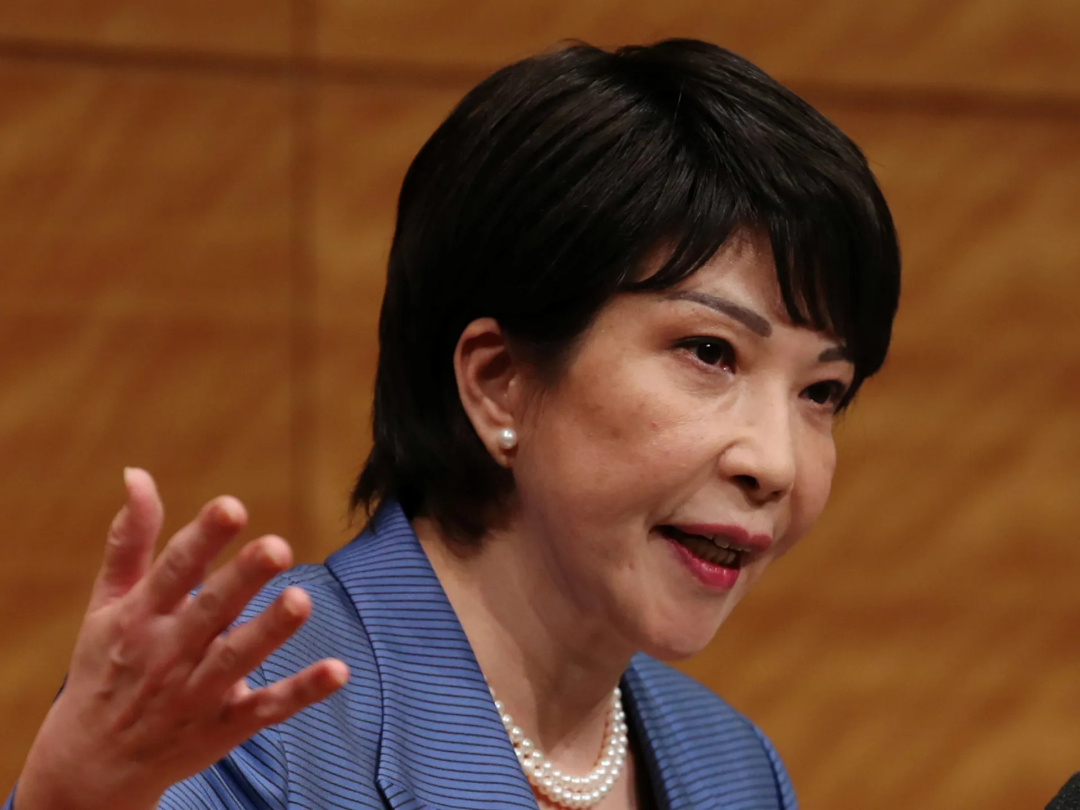
Japan is set to establish its first centralized intelligence agency since World War II, a move aimed at modernizing its defense capabilities in response to foreign threats. The legislation to create this agency passed the upper house of Japan’s National Diet in May, following approval from the lower house. Prime Minister Sanae Takaichi described this initiative as a crucial step toward strengthening the nation’s espionage capabilities, which have historically relied on support from the United States.
The new structure will include a National Intelligence Council, which will serve as the command center for intelligence gathering and analysis, and a National Intelligence Bureau responsible for operations. This reform transforms the existing Cabinet Intelligence and Research Office (CIRO) into a more centralized body. While Takaichi's efforts are not directly modeled after the U.S. Central Intelligence Agency, reports indicate that Western allies, including the United States, Germany, and Australia, are providing guidance in establishing this new agency.
Experts believe that Japan’s new intelligence framework will be tailored to its unique context. Ken Kotani, a professor at Nihon University, noted that the model will be original to Japan, while Sanshiro Hosaka, a research fellow at the International Centre for Defence and Security, emphasized that the reforms aim to enhance the government’s intelligence capabilities by improving coordination and ensuring that intelligence products meet policymakers' needs.
Japan faces increasing threats from neighboring countries such as North Korea, Russia, and China, making the establishment of a national intelligence agency essential. Historically, Japan's foreign and national security policy closely followed that of the U.S. during the Cold War. However, recent shifts, particularly during the Trump administration, have prompted Japan to pursue a more independent policy, leading to calls for enhanced domestic intelligence collection.
Currently, Japan lacks an anti-espionage law, which has made it challenging to address foreign intelligence activities. Hosaka pointed out that Japan has been described as a paradise for spies, particularly during the Cold War, due to its advanced technology and strategic alliances. He advocates for a foreign-influence transparency law to increase accountability regarding foreign lobbying and to deter illegal interference.
One of the significant challenges in Japan's decentralized intelligence structure is the lack of authority to compel cooperation among various agencies. Kotani highlighted that the political power of Japan's intelligence apparatus has historically been weak, as the CIRO lacked legal mandates for intelligence operations since its establishment in 1952. Furthermore, current laws make it difficult for authorities to intercept communications or take action against foreign representatives suspected of espionage.
Since taking office in October, Takaichi has accelerated Japan's military and security initiatives, including the approval of the largest defense budget in history at $58 billion. This budget aims to facilitate a transformation in Japan's defense posture, including investments in advanced technologies like drones and laser systems. Additionally, Takaichi's cabinet is moving toward lifting a longstanding ban on exporting lethal weapons, which has sparked some public protests.
Despite some domestic criticism regarding the new intelligence agency, Hosaka reassured that the reforms do not signify a return to oppressive surveillance practices against Japanese citizens. He noted that the legislation does not grant significant new powers for intelligence collection or counterintelligence, aiming instead to enhance Japan's security framework without infringing on civil liberties. As Japan navigates this new chapter in its intelligence operations, public sentiment appears mixed, with a Jiji opinion poll indicating that only 19 percent oppose the intelligence reform bill, while many remain indifferent or supportive.