Cyberattacks Target Supermarket Refrigeration Systems Across Europe
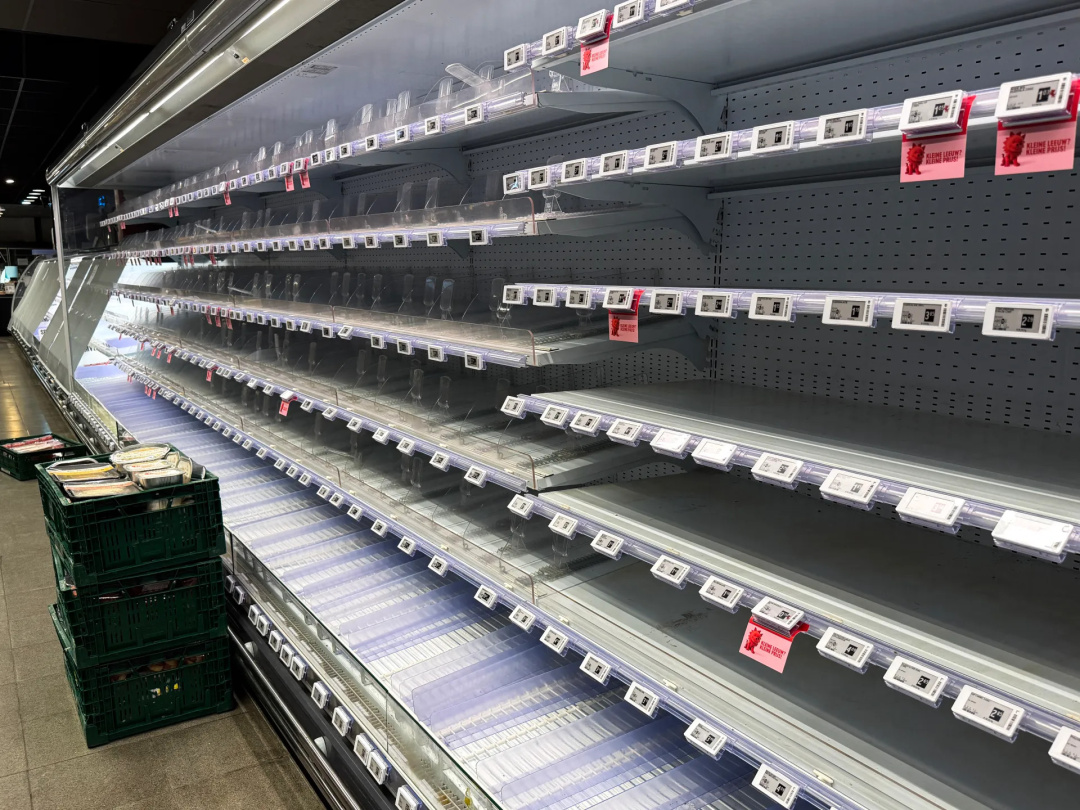
Supermarket refrigeration and freezer systems across Europe have been the target of a series of cyberattacks that have resulted in the overheating of internet-connected units, causing substantial food spoilage and damage. The incidents, which began last month, have affected more than 100 stores in various European countries, leading to significant financial losses estimated in millions of euros.
The attacks have raised alarms not only in Europe but also in the United States, where similar incidents have been reported. For instance, in August, freezers at an Army base in Fort Huachuca, Arizona, malfunctioned, resulting in the loss of all frozen food. The Pentagon has indicated that these malfunctions may be linked to cyber intrusions, with ongoing communications between U.S. and French authorities regarding the matter.
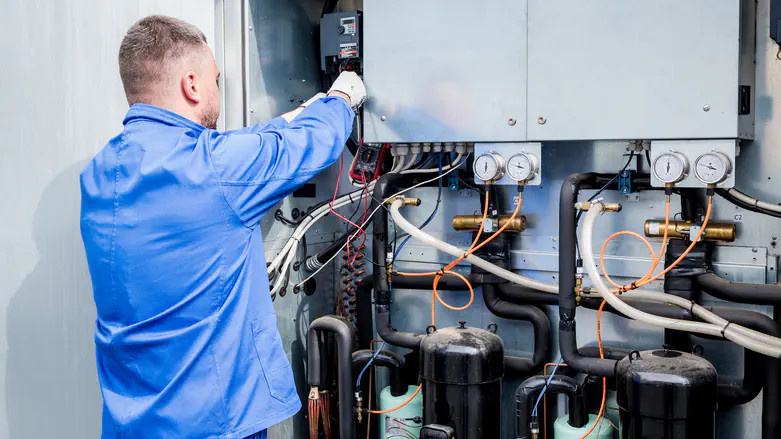
Hackers have exploited vulnerabilities in the refrigeration systems, which are often managed remotely and lack necessary software updates. Awais Rashid, a cybersecurity professor at the University of Bristol, noted that many of these systems are accessible via the internet and can be manipulated to raise temperatures, potentially leading to food spoilage or even fires. He emphasized the importance of adhering to established cybersecurity practices to safeguard these critical infrastructures.
The motivations behind these cyberattacks remain unclear, but European officials suspect they may be aimed at disrupting food supplies and undermining consumer confidence. Christophe Hansen, the European Commissioner for Agriculture and Food, described the attacks as a deliberate attempt to disrupt the food supply chain, although he reassured that food security is not currently at risk.
Investigation into Responsibility for Attacks
Belgium's prosecutor's office has launched a criminal investigation into the recent attacks, but no group has claimed responsibility thus far. Speculation about state-sponsored actors has emerged, particularly in light of ongoing geopolitical tensions, including accusations against North Korea for other cybercrimes and warnings from European intelligence about Russia's increasing cyber operations.
As the threat of cyberattacks on critical infrastructure grows, experts like Rashid warn that the digitization of essential services increases vulnerability. He advocates for robust cybersecurity measures to protect against potential disruptions that could have far-reaching implications for food supply chains and public trust in essential services.
Final Assessment
The investigation into the origins of these cyberattacks is ongoing, with authorities exploring various leads. The potential involvement of state actors has been a point of discussion, especially given the context of heightened cyber warfare tactics employed by nations like Russia and North Korea. As the situation develops, the focus remains on understanding the full scope of the attacks and preventing future incidents.
The recent cyberattacks on supermarket refrigeration systems highlight the vulnerabilities present in critical infrastructure. As investigations continue, the need for enhanced cybersecurity measures becomes increasingly apparent. Authorities are urged to implement stronger protections to safeguard against such threats, ensuring the stability of food supply chains and the safety of consumers across Europe.