Intelligence Sharing Disrupted by CIA-ODNI Feud Amid Global Threats
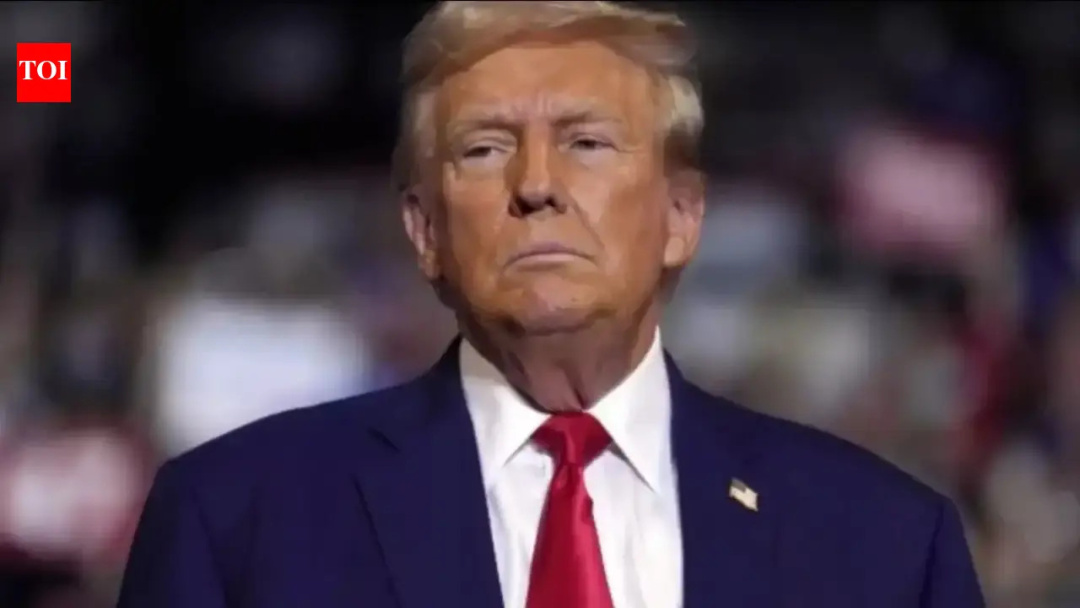
The ongoing feud between the CIA and the Office of the Director of National Intelligence (ODNI) has resulted in a slowdown of intelligence sharing regarding Iran and other global threats. This disruption comes at a critical time as the Trump administration considers military action against Iran following the recent midterm elections. Current and former officials have indicated that some intelligence exchanges have been temporarily halted, raising concerns about the adequacy of information available to policymakers.
Former intelligence officials have expressed alarm that these disruptions could leave decision-makers without a complete understanding of the threats facing the United States. The situation echoes the intelligence failures that were highlighted after the September 11, 2001, attacks. The issues began during Tulsi Gabbard's tenure as DNI, when her office was embroiled in a significant dispute with the CIA. Although tensions have eased since her resignation in June, the effects on intelligence-sharing arrangements persist.
The CIA has ceased joint assessments with the National Intelligence Council (NIC), which has historically provided comprehensive reports combining insights from various intelligence agencies. This change has led to a reduction in the number of reports available to senior officials and lawmakers, particularly concerning critical issues like Iran. Intelligence reports from Gabbard's office were also briefly halted following significant events, such as the US military intervention in Iran and the capture of former Venezuelan President Nicolás Maduro.
Significant Turf Battle Within Intelligence Community
The feud has been characterized as one of the most significant turf battles within the intelligence community in decades, exacerbated by staff cuts and the sidelining of officials deemed disloyal by the Trump administration. The NIC, which relies heavily on the CIA for analysis, has seen a slowdown in its report production, with no assessments focusing on the ongoing conflict in Iran.
Clearance Granted
Concerns have also been raised about the political pressure on analysts within the intelligence community. Some former officials suggest that analysts are increasingly hesitant to produce assessments that may contradict the White House's stance, fearing repercussions. This environment of caution could hinder the ability of policymakers to grasp the complexities of global threats effectively.
As the intelligence-sharing issues continue, the ODNI has stated that it remains committed to ensuring that the intelligence community has the necessary resources to inform key government decision-makers. However, the ongoing disputes and the resulting fragmentation of intelligence assessments pose significant challenges for national security and the understanding of international developments.